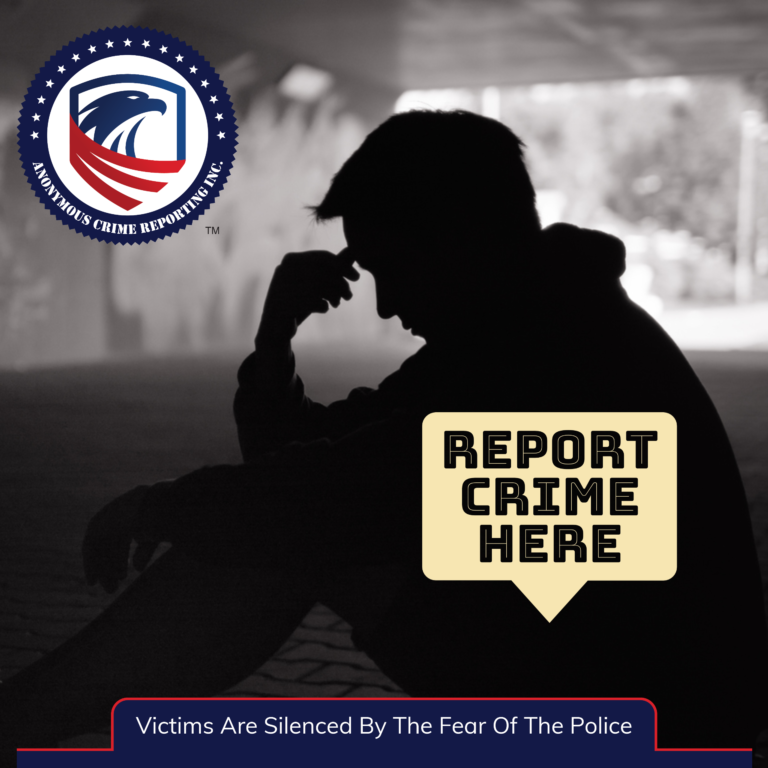
Police corruption is a pressing issue that profoundly affects law enforcement, governments, and society as a whole. This troubling phenomenon undermines the trust that should exist between police and the communities they are sworn to protect. When corruption takes root, it not only exacerbates inequality but also deepens the divide between officers and the citizens they serve, particularly in marginalized communities. In this blog, we will delve into the ways corruption impacts these communities, highlighting its damaging effects on social trust, justice, and public safety.
Erosion of Trust Between Police and Communities
One of the most significant consequences of police corruption is the erosion of trust between law enforcement agencies and the communities they serve. When officers engage in corrupt activities such as bribery, abuse of power, or misconduct, it creates the perception that the police do not have the community’s best interests at heart. This perception is especially damaging in marginalized or minority communities that already face systemic discrimination. When these communities witness or hear about corruption within law enforcement, they are less likely to cooperate with police officers, report crimes, or seek assistance during emergencies (Brunson, 2007). This loss of trust can lead to a breakdown in communication, further isolating communities from the very institutions that are meant to protect them.
The lack of trust between police and communities can create a cycle of fear and distrust. Residents may feel that the police are not held accountable for their actions, which can lead to a sense of helplessness and vulnerability. Over time, this diminished trust reduces the legitimacy of the police force, weakening its ability to effectively maintain law and order. Consequently, citizens may be less inclined to follow legal norms, making it more challenging for law enforcement to combat crime and foster a sense of security within the community.
Exacerbating Social Inequality
Police corruption has the alarming potential to exacerbate social inequality, particularly in our most marginalized communities. Corrupt officers often prey on the most vulnerable among us—low-income individuals, people of color, and immigrants—exploiting their positions of authority for personal gain. This insidious form of corruption manifests in various ways, from accepting bribes to overlook offenses to unjustly harassing individuals based on their social status or ethnicity (Chan, 1997). Such blatant disregard for individual rights not only undermines the pillars of justice but also reinforces existing power imbalances within society.
In neighborhoods besieged by corruption, residents frequently view the criminal justice system as fundamentally flawed, where certain individuals or groups enjoy unjust privileges while others face harsh penalties. This pervasive sense of injustice breeds feelings of anger, frustration, and resentment toward law enforcement, making it incredibly difficult for officers to build meaningful connections with the community. Consequently, the creation of an environment where every citizen feels safe, valued, and protected becomes an uphill battle. Moreover, when police officers actively engage in criminal activities such as drug trafficking or theft, they contribute to the normalization of illegal behavior within the community. In areas already grappling with economic hardship, these corrupt acts further entrench cycles of poverty and violence. The community’s reliance on untrustworthy police undermines the implementation of effective crime prevention strategies, perpetuating systemic inequality and depriving residents of the opportunity for a brighter, more just future.
The Cycle of Corruption and Injustice
The enduring presence of corruption within law enforcement often creates a vicious cycle that proves incredibly difficult to dismantle. When corrupt officers evade accountability for their actions, it sends a troubling message to both the public and their peers: that misconduct can flourish without consequence. This absence of accountability cultivates an environment where corruption becomes deeply embedded in the culture of the department. New recruits may start to view such malfeasance as an accepted norm in police work, further entrenching a culture of dishonesty and exploitation within the ranks (Klockars, 1980).
Additionally, corrupt practices often find refuge behind the “blue wall of silence,” a troubling phenomenon where officers shield their colleagues from scrutiny by failing to report wrongdoing. This collective silence not only obstructs investigations into police misconduct but also complicates efforts to identify and eliminate those who tarnish the reputation of law enforcement (Barker & Carter, 1994). As a result, communities continue to bear the burden of corrupt policing, and the task of rebuilding trust in law enforcement becomes an increasingly uphill battle.
The Role of Community Oversight and Police Reform
Given the damaging impact of police corruption on communities, it is essential to implement strategies to combat this issue and rebuild trust. One effective approach is to establish independent oversight mechanisms that allow civilians to monitor police actions and hold officers accountable for misconduct. Such oversight can help restore confidence in the police force and ensure that officers act in the best interests of the public. Police reform is another important step toward reducing corruption. Reforms may include increased transparency, improved training programs, and better screening of recruits to ensure they possess the integrity and commitment needed to serve their communities honestly. It is crucial for law enforcement agencies to foster a culture of accountability, where officers are encouraged to report corruption and misconduct without fear of retaliation.
Additionally, building stronger relationships between communities and police is essential. Community policing models, which emphasize collaboration between officers and community members, can help bridge the gap between law enforcement and residents. By fostering open communication and trust, these initiatives can create a more cooperative environment where both police and communities work together to ensure safety and justice. Police corruption is a significant issue that undermines the very foundation of communities, especially in marginalized areas. It leads to a breakdown of trust between the police and residents, worsens social inequalities, and perpetuates cycles of corruption, all of which compromise justice. To tackle these problems, law enforcement agencies must prioritize transparency, accountability, and community engagement. By implementing comprehensive reforms and increasing oversight, we can rebuild trust between police officers and the communities they serve, ultimately creating a safer and more just society for everyone.
References
Barker, T., & Carter, D. L. (1994). Police corruption: A sociological perspective. Garland Publishing.
Brunson, R. K. (2007). Police don’t like black people: African American young men and racial class stereotypes. Social Problems, 54(2), 291-314.
Chan, J. (1997). Changing police culture. British Journal of Criminology, 37(4), 598-617.
Klockars, C. B. (1980). Corruption and the blue code of silence: The case of the Chicago Police Department. Temple University Press.